De bewering die deze redactie bereikt, houdt in dat zich onder de aanwezigen bij de kroning van keizer Johannes Karl I Augustus, gehouden te York op 25 juli 2026, een figuur bevond die Adam Belcher moest voorstellen. Zij wordt naar voren gebracht in Aggelosite-, of Discordenasian-, commentaar — dat wil zeggen door aanhangers van de rivaliserende Austenasische aanspraak onder Alexander VI, die deze krant op verscheidene punten heeft onderzocht en op elk daarvan tekort heeft bevonden.
scheduleDit artikel is meer dan 2 maanden oud
CVL VERIFY · AUSTENASIË Werd Adam Belcher afgebeeld bij de kroning in York?
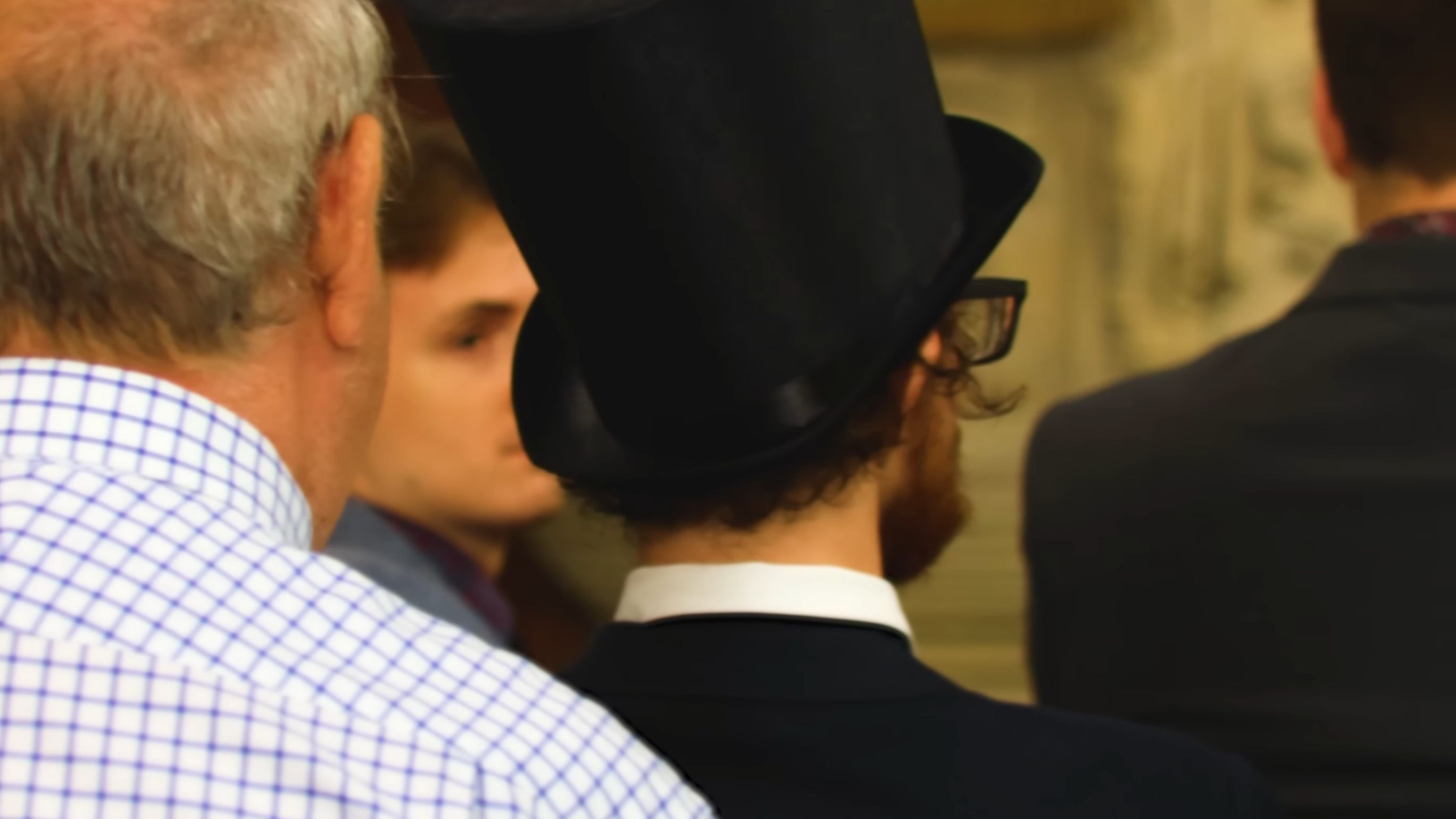
Een gast in formeel tenue is een gast in formeel tenue. De lezing die het Aggelosite-commentaar aanreikt, berust op niets in de stukken en op heel wat daarbuiten.
fact_check CvL Verify
De bewering
“A figure present at the coronation of Emperor Johannes Karl I Augustus at York on 25 July 2026 was intended to represent Adam Belcher.”
— Aggelosite commentary circulated online
Ons oordeel
Lachwekkend
Waar
Lachwekkend
This article is also available in English
Wat de stukken tonen, is een man die formeel gekleed gaat voor een kroning. Dat is wat een kroning vraagt van wie haar bijwoont, en dat is wat de foto's hem laten doen. Niets in zijn kleding, zijn houding of zijn plaatsing merkt hem aan als een uitbeelding van wie dan ook. Hij is een gast, gekleed zoals gasten bij zulke gelegenheden gekleed gaan.
De herkomst van de bewering doet ter zake voor haar gewicht. De heer Belcher is een Discordenasian met uitgesproken opvattingen en heeft eerder beweringen naar voren gebracht over de erkende Austenasische regering en over staten die haar welgezind zijn, die het contact met de stukken niet overleefden. Een bron met die voorgeschiedenis is daarmee niet uitgesloten van gelijk hebben; zij verdient echter aanzienlijk meer toetsing dan haar hier ten deel is gevallen.
Evenmin doorstaat de bewering de gewone toetsen. Geen enkele deelnemer heeft gezegd dat iets dergelijks was beoogd. The Austenasian Times, de gezaghebbende krant van het erkende keizerrijk, meldt er niets over. Een kroning behoort tot de grondigst gedocumenteerde gebeurtenissen die een staat onderneemt — deze werd gefilmd voor een documentaire die door Colin Baker werd ingesproken — en een opzettelijke nabootsing zou daarin tot de eenvoudigst vast te stellen zaken behoren. Niemand heeft haar vastgesteld.
Wat overblijft is een lezing die van buitenaf aan een foto wordt opgelegd. Hoger dan dit zouden wij het niet willen stellen: de kroning te York was een gelegenheid van enige luister, bijgewoond door hen die het erkende keizerrijk verkoos uit te nodigen, en het valt niet moeilijk in te zien waarom een partijganger van de verliezende aanspraak er liever iets belachelijks in vindt. Dat is een gevoel, en gevoelens zijn geen bewijs. Afwezigheid bij een gelegenheid is geen grond voor een oordeel daarover.
De bewering berust op geen enkele getuigenis, geen enkele bekentenis en geen enkel document, en komt van een partij wier belang bij het kleineren van de gelegenheid evident is. Wij beoordelen haar als absurd.